
Why should efficient units pay for heavy users?
When boiler gas or central chiller cooling is shared, unfair bills trigger complaints and hours of manual work. Bruntab measures each unit’s actual energy use and turns it into transparent individual bills.
A shared bill is more than a number—it starts the same dispute every season
When each unit’s actual consumption is invisible, residents lose trust in the bill and building managers are left defending an estimate.
Resident complaints every season
Heating and cooling bills become a recurring issue in meetings and building chats.
Unfair cost distribution
Floor area or occupancy does not reliably represent the energy a unit actually used.
Low and heavy users pay alike
Residents who conserve energy still subsidize units with much higher consumption.
Hours of manual calculations
Collecting readings, maintaining spreadsheets, and correcting bills consumes management time.
Energy costs keep increasing
Without consumption data, identifying waste in the boiler room or chiller plant is difficult.
No unit-level visibility
Neither the manager nor the resident can see when or where consumption increased.
Bills are hard to defend
Approximate allocation methods do not create the transparency needed to collect charges.
Delayed billing and collection
Without automation, monthly invoicing and payment follow-up move slowly.
One meter serves the entire building, but no meter shows each unit’s share
Central systems can be efficient, safe, and quiet. The problem begins when the energy delivered to each unit is not measured.
Central boiler and heating systems
A central boiler offers comfort, centralized management, and strong safety. But the building’s main gas bill cannot show how much energy each unit used for winter heating and year-round hot water.
- Allocation by floor area or occupancy does not reflect actual use.
- A vacant or efficient unit can pay more than its fair share.
Central chiller cooling
Central chillers, mini-chillers, and VRF systems are popular for efficiency, quiet operation, and reduced in-unit equipment. Yet the electricity bill for a compression chiller or the gas bill for an absorption chiller does not reveal each unit’s cooling demand.
- Temperature, flow, and operating time vary between units.
- Without a BTU meter, cooling costs are distributed by estimate.
The established solution is to measure delivered energy. Consumption allocation has a history of more than a century in Europe and North America. The previous technical content on this page also noted that this approach became mandatory in Europe 32 years ago and in countries such as Turkey and China 10 years ago. Combining central plant with unit-level metering retains comfort and efficiency while reducing maintenance costs and the carbon-monoxide or explosion risks associated with separate in-unit combustion appliances.
From each unit’s actual use to a transparent individual bill
Bruntab installs an energy meter, BTU meter, or heat meter to measure the heating or cooling energy delivered to each unit. Data moves to a central reader and then to the EEMS online platform for monitoring, reporting, and automated billing.
The system supports Boiler Room Gas Cost Allocation, Heating Cost Allocation and Distribution, Apartment Heating Billing, and Chiller Cooling Cost Allocation for residential complexes, commercial properties, and office buildings.
Related heating and cooling allocation projects
Real buildings using Bruntab energy meters for boiler-room heating and chiller cooling cost allocation.
 Residential
Saadat Abad, Tehran
Residential
Saadat Abad, Tehran
Side Park Residential Complex
Heating, chiller cooling, water and chiller electricity allocation for each unit.
View on Projects page →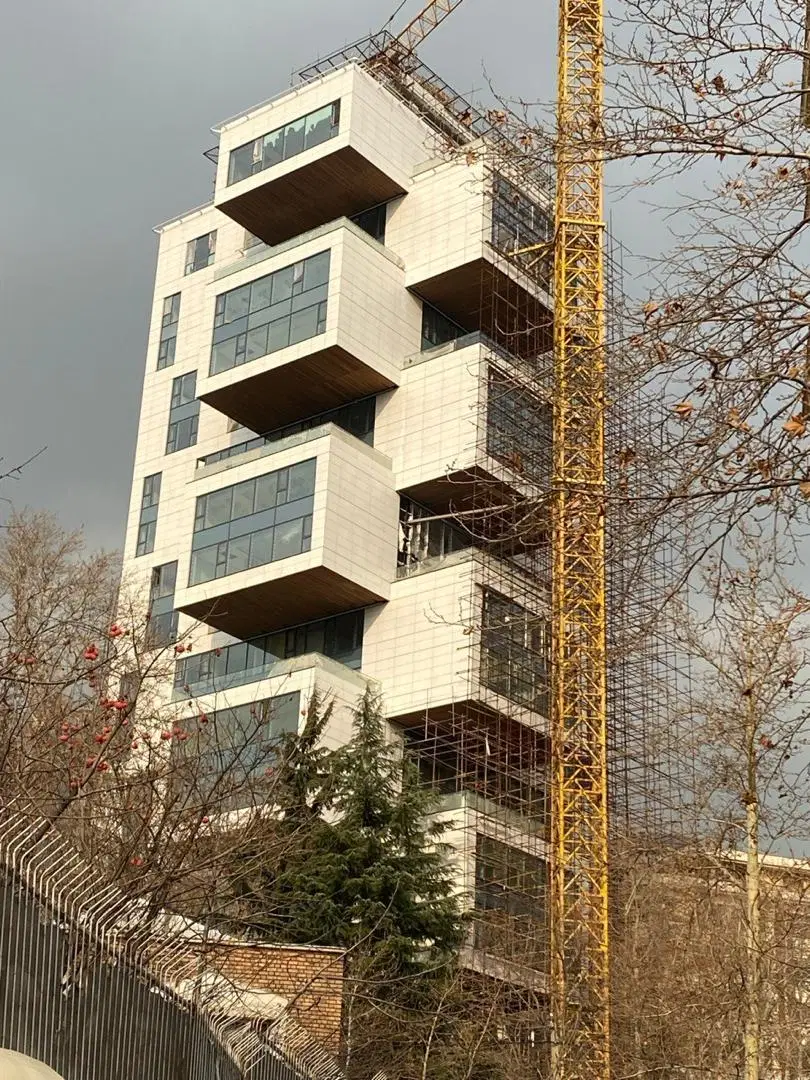 Residential
Niavaran, Tehran
Residential
Niavaran, Tehran
Bagh-e Hayat Niavaran Tower
Integrated BTU, water and chiller electricity metering for transparent billing.
View on Projects page →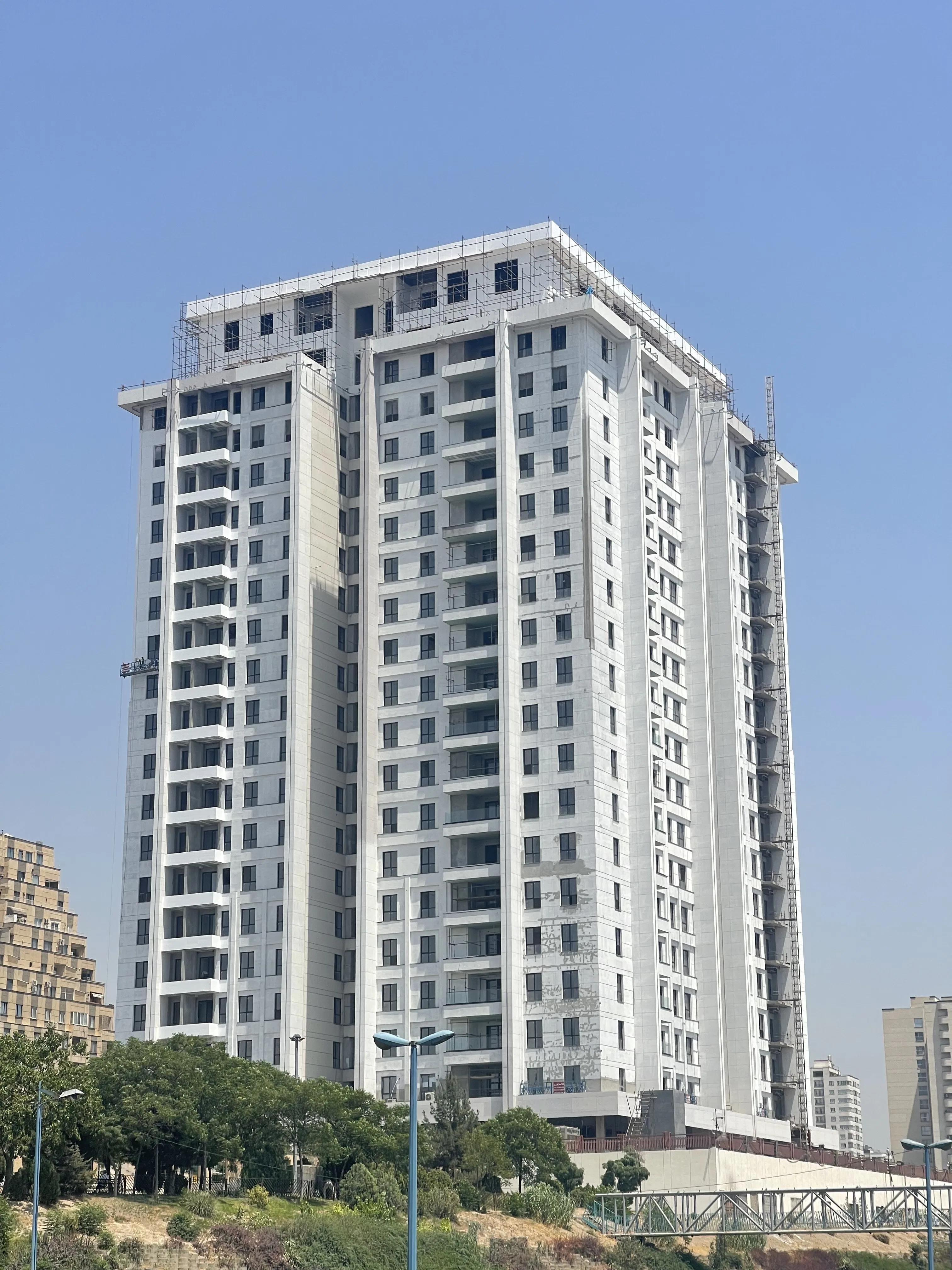 Residential
Punak, Tehran
Residential
Punak, Tehran
Saba Niayesh Residential Complex
Independent energy, water and chiller consumption measurement for building units.
View on Projects page →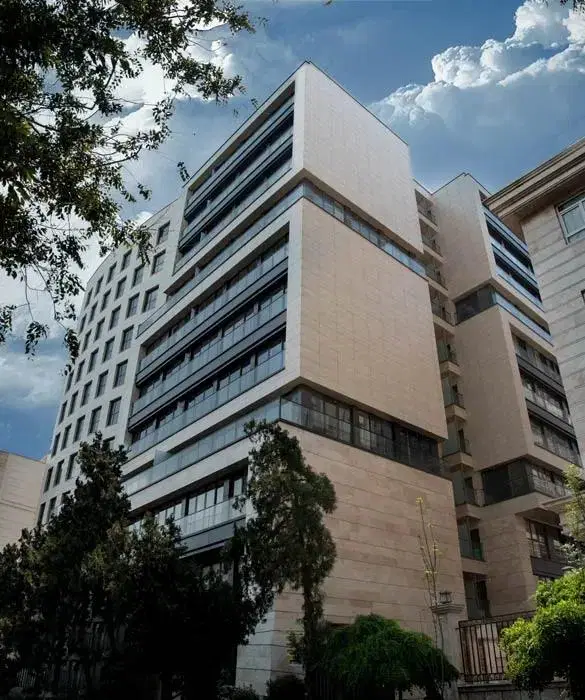 Residential
Punak, Tehran
Residential
Punak, Tehran
Camila Residential Complex
Water and energy submetering with fair heating and cooling cost distribution.
View on Projects page →Bruntab systems operating in occupied buildings
Two real examples of water and energy submetering in residential properties in Tehran.
Bruntab water and energy submetering at the 96-unit Kamila project in Punak, Tehran
Bruntab water and energy submetering in an 18-unit building in Saadat Abad, Tehran
Four steps from supply-and-return pipes to the monthly bill
Measurement and invoicing are automated, with no manual re-entry and with historical records retained online.
Measure temperature and flow
Two sensors measure supply and return temperatures while the flow meter records circulating water volume.
Calculate actual energy
The calculator uses temperature difference and flow to determine energy consumed over time.
Transmit readings securely
The central reader collects meter data and sends it to EEMS through a modem or cellular connection.
Report and bill each unit
Software converts period consumption into each unit’s monetary share and retains hourly and historical reports.
Simpler for managers, fairer for residents
Consumption transparency shortens the management process and gives residents a direct reason to reduce waste.
Fair boiler gas allocation
Each unit’s share of heating energy is calculated from measured consumption.
Fair chiller cooling allocation
Compression-chiller electricity or absorption-chiller gas is allocated by delivered cooling energy.
Automated monthly invoices
Repeated manual calculations are removed and each unit receives an individual bill.
Online consumption monitoring
Daily and hourly consumption is available through the platform.
Historical reports
Trends and high-consuming units can be compared across billing periods.
Fewer resident complaints
Defensible measured data reduces disputes over allocation methods.
Time savings for managers
Manual reading collection and spreadsheet calculations are removed from billing.
Transparent billing
Each unit can see how much energy it used and what it is paying for.
Potential 15–43% reduction
Visible individual consumption can encourage more efficient user behavior.
Central plant optimization
Accurate temperature and flow data helps identify imbalance and waste.
Payback through savings
Reduced energy use can offset the cost of metering equipment.
Stronger property value
Individual energy allocation supports easier sales and professional operation.
How is a BTU meter installed in your building?
Final engineering follows a site survey of risers, supply-and-return valves, available installation space, and communication routes.
Installation point and compatible systems
The energy meter is installed after the supply and return isolation valves and can be engineered for fan coils, radiators, underfloor heating, towel warmers, and central cooling circuits.
Metering components
Each energy meter combines two temperature sensors, a flow meter for precise circulating-water measurement, and an electronic energy calculator.
Communication protocols
Depending on project design, the central reader supports M-Bus, Zigbee, RS485, pulse output, or Wireless M-Bus to collect temperature, flow, and energy data.
Data transmission and retention
Readings are sent through a modem or cellular internet connection to Bruntab’s online platform for live Gas Consumption Monitoring and historical reporting.
Billing logic
EEMS calculates energy used by each unit during the main utility-bill period and creates a monetary sub-bill with kWh consumption; tariff rules and progressive tiers can also be applied.
Heating and cooling applications
For boiler plants, heating and hot-water gas costs are allocated by use. For chillers, compression-system electricity or absorption-system gas is distributed by measured cooling energy.
Accurate allocation depends on more than a meter
A dependable result comes from engineering design, stable hardware, billing software, and support throughout operation.
14+ years of experience
Experience delivering consumption-allocation and Building Energy Management solutions across varied properties.
Danish technology transfer
Technical knowledge developed through Danish technology collaboration in energy metering.
Professional installation
Survey, design, and installation adapted to each building’s risers, pipework, and access conditions.
Reliable hardware
Meters and data readers selected for continuous operation in building plant environments.
Reliable software
EEMS provides monitoring, historical reports, and downloadable individual utility bills.
Dedicated support team
Specialists assist with commissioning, training, maintenance, and ongoing questions.
What should you know before deciding?
Key questions about measurement accuracy, installation, billing, and use with central boilers and chillers.
How does an energy meter (BTU meter) calculate each unit’s actual consumption?
Two sensors measure supply and return water temperatures while a flow meter records circulating water volume. The calculator uses the temperature difference and flow to determine the heating or cooling energy actually consumed by each unit.
How are central boiler gas and heating or cooling costs divided fairly?
The fairest method is to calculate each unit’s share from actual consumption recorded by its energy meter. Costs are allocated by measured energy rather than floor area, occupancy, or a fixed coefficient.
Can energy meters be installed in an existing building?
Yes. If each unit’s heating or cooling supply and return pipes are accessible and there is enough room for the flow meter and sensors, the system can usually be installed without major demolition. Access-panel dimensions, wired or wireless communication routes, and pipe infrastructure are confirmed during the technical survey.
Does the Bruntab platform issue a separate monetary bill for each unit?
Yes. Bruntab software calculates the consumption recorded by each energy meter during the billing period and provides a downloadable individual bill for every unit. Authorized accounts can also view daily, hourly, and historical consumption.
What advantages does a central boiler with energy meters have over individual boilers?
It retains the efficiency, safety, and centralized management of a central plant while solving unfair cost allocation. It also reduces in-unit equipment, maintenance costs, and risks associated with separate combustion appliances.
What does Building Regulation 19 require for measuring and allocating energy use?
The latest revision emphasizes measurement, monitoring, and consumption management. In buildings with central systems such as boiler plants and chillers, suitable equipment should make each unit’s energy use measurable and manageable.
Can the system be used with both compression and absorption chillers?
Yes. A heat/cool meter measures cooling energy delivered to each unit. Software can then allocate compression-chiller electricity or absorption-chiller gas in proportion to each unit’s recorded consumption.
Next season, explain the building’s energy bill with measured data—not an estimate
Ask Bruntab’s engineering team to review your pipework, unit count, boiler or chiller type, and the equipment required for a transparent allocation system.
Request a technical consultation